
Putting together a basic tool kit that is multipurpose may seem overwhelming if you are not sure what to include. Let’s walk through the essentials to put in yours.

Claw Hammer
(Disclosure: Please note that this post contains affiliate links. If you click one of the links and make a purchase, we may receive a small commission that will help support this blog. Thanks so much).
A hammer is a such a great tool for a variety of tasks including:
- Placing hooks and nails in wall to hang picture frames, attach shelves and other objects to the wall
- Driving nails into boards to build furniture, put up baseboards and moldings, and more (and the claw side for removing nails, as well).
- Helping in the great outdoors to build fencing, place stakes in the ground, and secure signs
- Breaking up hard objects such as concrete, plaster, or dirt clods
This 16 Oz version from ESTWING offers a shock-reduction grip which aids in preventing hand slip while using. The hammer is forged from one solid piece of steel.

Screwdriver Set For Basic Tool Kit
A screwdriver set is another workhorse of the tool kit. Uses include for:
- Assembling or taking apart items such as furniture and toys
- Opening paint cans and jar lids
- Tightening or loosening hinges, replacing light switch plates, and batteries
- Removing gunk from tight spaces, smoothing out and shaping caulk lines, and making small holes in soft materials
Craftsman makes an excellent 12 piece screwdriver set with alloy steel blades and shaped handles to allow you to apply maximum torque when needed. If money is very tight, opt for at least a couple of sizes of Phillips and Flathead screwdrivers.
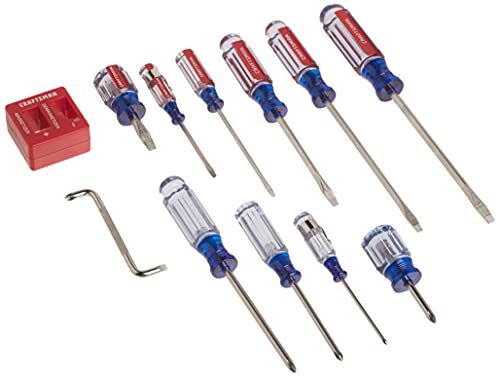
Allen Wrenches
Also know as hex keys or hex wrenches, these handy tools are L-shaped and have hexagonal cross sections. They are great for tightening and loosening bolts and screws with hexagonal sockets. Common uses include for:
- Assembling furniture and office equipment
- Putting together bicycles and exercise equipment
- Working on toys and for some hobbies including model building

Adjustable Wrench
This versatile tool is great for loosening or tightening bolts and other fasteners. Ideally, your toolkit will include several sizes to cover working with a range of nuts, bolts, and fittings and take on projects such as:
- Adjusting valves and pipe fittings
- Loosening and tightening nuts and bolts on wheels
- Acting as a clamp to temporarily hold an object in place
Check out this handy adjustable wrench set from Craftsman.

Pliers
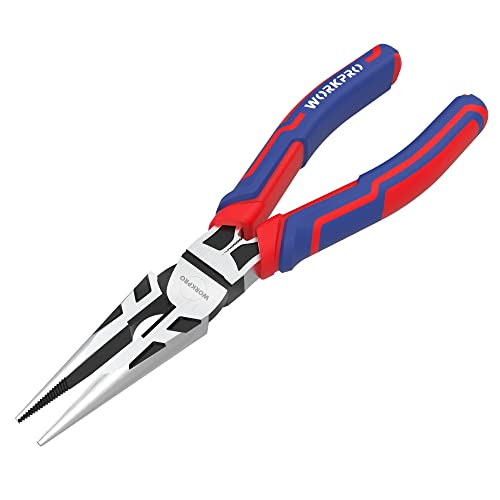
For a basic toolkit, one or two different size adjustable pliers and a pair of needle nose will work well. Great for:
- Gripping and holding things while you work on them
- Helping extract things like nails and stripped screws

Tape Measure
A 25 feet version gives you plenty of length to work with to measure a variety of different things.

Level
A level can help you determine what is perfectly horizontal or vertical. Super handy for:
- Hanging shelves, pictures, cabinets, wallpaper, and wall decor
- Leveling appliances and furniture
- Adjusting TV and computer monitor angles
- Laying flooring or tile

Utility Knife For Basic Tool Kit
A utility knife is great for doing everything from cutting open boxes to removing wallpaper.

Stud Finder
A stud finder is not a dating service, but rather a handy tool to help find the wood studs in a wall. Crucial to locate for things like pictures and shelves without accidentally hitting electrical wires or plumbing.

Duct Tape
This pressure sensitive tape is known for its strength, flexibility, stickiness, and durability. Common uses include:
- Temporarily covering small cracks, leaks or broken glass
- Securing loose or broken handles and reinforcing seams
- Bundling cords and holding wrapping or padding in place.
- Securing rugs and other household items to keep them in place.

Safety Glasses
It is always a good idea when you are working with tools to use eye protection. You never know when a wrench or screwdriver might accidentally slip and a bolt or screw go flying.

Headlamp
Good lighting is crucial when wielding tools. A headlamp will allow for both hands to be free for working with the tools.

A few other things to consider putting in a basic tool kit include work gloves and a few dust masks.